
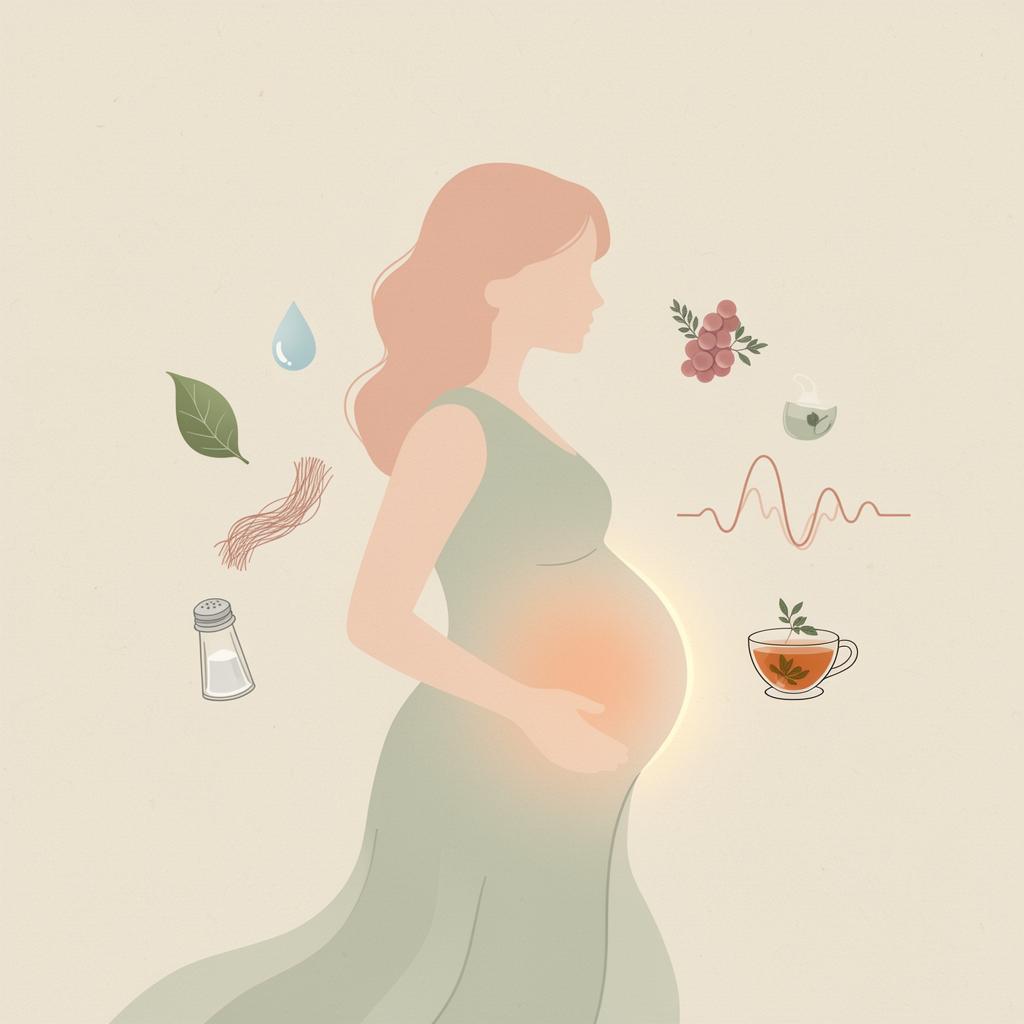
You wake up feeling fine. By 3 pm your jeans feel two sizes smaller, your stomach looks visibly rounder and you swear you have not eaten anything different.
Sound familiar? You are not imagining it. Cycle-related bloating is real, predictable and deeply hormonal, not a sign that you "ate too much" or did something wrong. Once you understand which phase you are in and what your hormones are quietly doing behind the scenes, the puffiness stops feeling like a mystery and starts feeling like information.
First, What Is Bloating Actually?
Bloating is the feeling (and often the look) of a swollen, tight, full abdomen. It comes from two main sources:
- Gas trapped inside the digestive tract from food fermentation or swallowed air
- Water retention in tissues, driven mostly by hormones and sodium balance
During your cycle, both can spike at very specific times. That is why you can feel slim and energetic one week and uncomfortably puffy the next, with the exact same diet.
Cycle bloating is not weight gain. It is your body doing exactly what it was designed to do, just visibly.
The 4 Cycle Phases and How They Affect Bloating
Your menstrual cycle has four phases, and each one tells your gut and tissues something different. Here is what is happening, week by week.
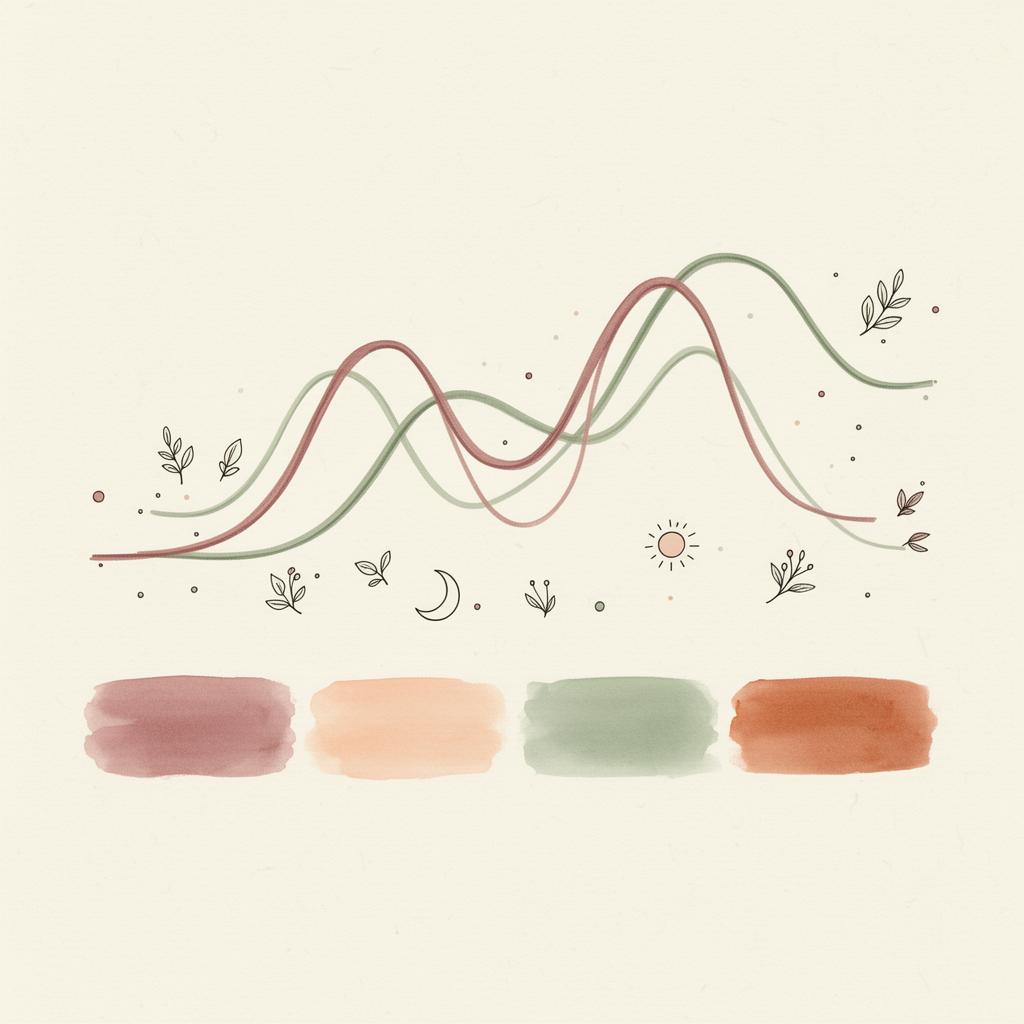
Phase 1: Menstrual (Days 1 to 5) — The Deflation Begins
When your period starts, estrogen and progesterone are at their lowest. Prostaglandins (hormone-like compounds that trigger uterine contractions) rise to help shed the lining. Side effect? They can also irritate the gut, causing cramping, looser stools and a feeling of pressure.
- Bloat level: Moderate at first, drops fast after day 2 or 3
- Why: Hormones reset, water releases, prostaglandins ease
- What helps: Warm fluids, gentle movement, magnesium-rich foods
Phase 2: Follicular (Days 6 to 13) — The Lightest Week
Estrogen rises steadily as your body prepares for ovulation. This is usually the week you feel slimmest, most energetic and least bloated.
- Bloat level: Low
- Why: Balanced hormones, efficient digestion, minimal water retention
- What helps: Lean into this window for harder workouts and lighter meals
Phase 3: Ovulation (Days 14 to 16) — A Quick Puff
A short estrogen surge causes mild water retention. Some women also feel one-sided pelvic fullness or twinge (known as mittelschmerz) as the egg releases. This bloat is usually subtle and short.
- Bloat level: Mild
- Why: Estrogen peak, ovary activity, brief fluid shift
- What helps: Hydration, electrolytes, no major changes needed
Phase 4: Luteal (Days 17 to 28) — The Bloat Champion
This is where it gets real. After ovulation, progesterone rises and stays high until your period starts. Progesterone is a master relaxant: it relaxes the uterus, but also relaxes the smooth muscle of your intestines. Translation: slower digestion, more gas, more water retention and the classic premenstrual belly.
In the final 2 to 5 days before bleeding (the late luteal phase), progesterone crashes, prostaglandins climb, and bloating often peaks dramatically.
- Bloat level: High to severe in the last week
- Why: High progesterone slows digestion, water retention spikes, cravings drive sodium intake
- What helps: Reducing salt, walking, fiber + water combo, magnesium, tracking what works
Quick Reference: Bloating by Cycle Phase
| Phase | Days | Hormones | Typical Bloat | Why |
|---|---|---|---|---|
| Menstrual | 1 to 5 | Low estrogen and progesterone | Moderate, easing | Prostaglandins, gut sensitivity |
| Follicular | 6 to 13 | Estrogen rising | Minimal | Balanced, fast digestion |
| Ovulation | 14 to 16 | Estrogen peak | Mild, brief | Water retention, ovary activity |
| Luteal | 17 to 28 | Progesterone high, then crash | High to severe | Slow gut, water retention, cravings |
The 7 Real Reasons You Are So Bloated Right Now
Beyond the phase you are in, these are the everyday triggers that turn a mild puff into a full balloon:
- Sodium overload that pulls water into your tissues
- Slow digestion caused by high progesterone in the luteal phase
- Swallowed air from rushed eating, gum chewing or fizzy drinks
- Constipation because progesterone also slows bowel transit
- Sugar and refined carb spikes that feed gut bacteria and cause fermentation
- Dehydration, which counter-intuitively makes your body hold more water
- Stress and poor sleep, which raise cortisol and disrupt digestion
Notice how most of these stack right when progesterone is already working against you. That is why the same takeaway meal that feels fine on day 8 wrecks you on day 24.
What Actually Deflates Cycle Bloating
Forget extreme detoxes. The most effective anti-bloat strategy is small, consistent and surprisingly enjoyable.
Eat With Your Cycle, Not Against It
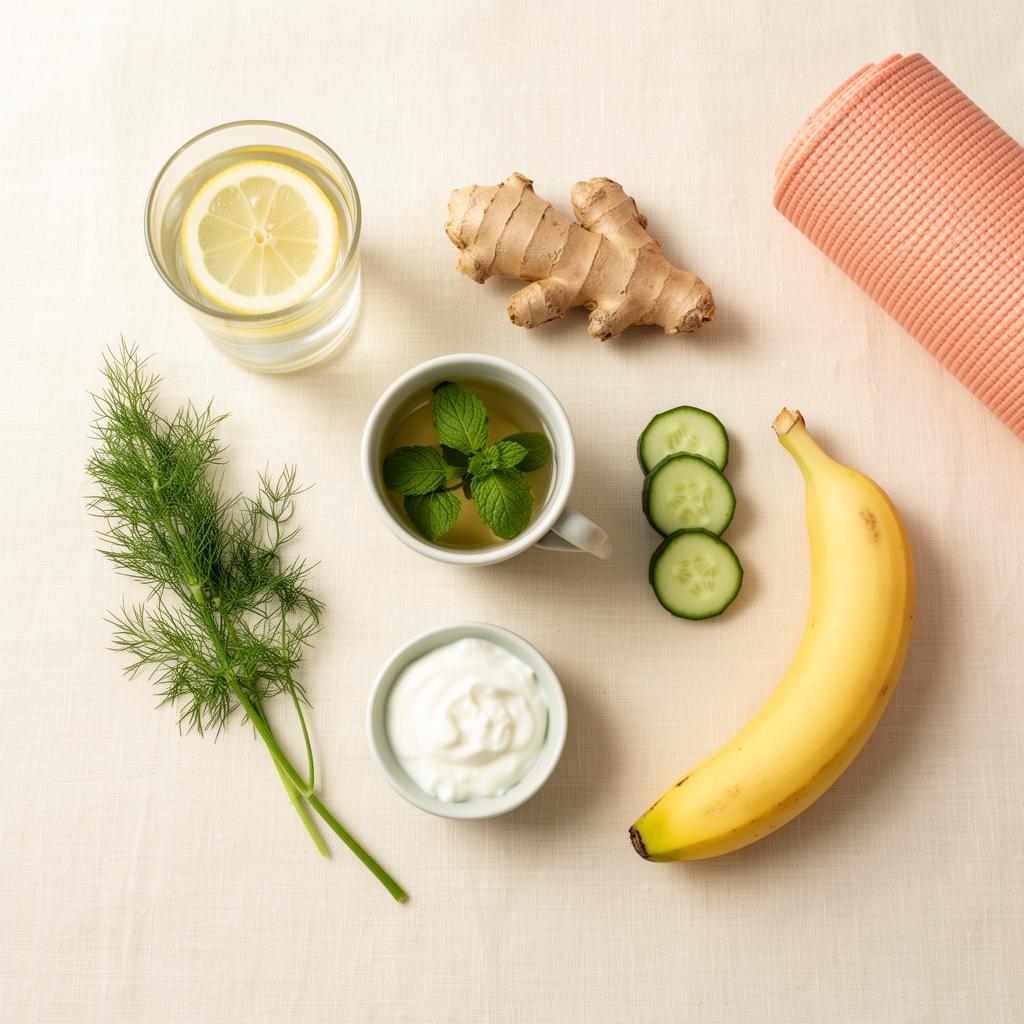
- Potassium-rich foods (banana, sweet potato, leafy greens, avocado) balance sodium and reduce water retention
- Magnesium (dark chocolate, pumpkin seeds, almonds, spinach) relaxes muscles and eases PMS bloat
- Fiber + water together keep things moving without causing more gas
- Fermented foods (yogurt, kefir, kimchi) support a calmer gut microbiome
- Anti-inflammatory herbs like ginger, fennel, peppermint and chamomile soothe trapped gas fast
Cut Back (Especially in the Luteal Phase)
- Highly salty snacks, takeout and processed meats
- Carbonated drinks and chewing gum
- Alcohol, which dehydrates and irritates the gut
- Sugar alcohols (sorbitol, mannitol) found in sugar-free snacks
- Big meals late at night when digestion is already slow
Move Your Body, Gently
- A **20 to 30 minute walk** after meals dramatically reduces bloating
- **Twisting yoga poses** (seated twist, supine twist, child's pose) physically help gas move through
- **Light strength training** improves circulation and digestion
- Avoid pushing through a heavy workout when you are already inflamed; recovery beats intensity in the late luteal phase
Hydrate Smarter
Drinking water sounds counter-intuitive when you are puffy, but dehydration is one of the biggest hidden causes of water retention. Aim for steady sips through the day rather than huge gulps. Adding lemon or cucumber, or sipping warm water in the morning, supports digestion even more.
Sleep and Stress Are Anti-Bloat Tools Too
Cortisol from poor sleep and stress directly slows digestion and increases water retention. A solid 7 to 9 hours, plus simple wind-down rituals like breathwork, journaling or a screen-free hour, will visibly reduce bloating over a month.
The Bloat Calendar: When to Expect It
Once you start tracking, the rhythm becomes obvious:
- Days 1 to 5: Bloat eases as your period progresses
- Days 6 to 13: Lightest, flattest week
- Days 14 to 16: Quick ovulation puff
- Days 17 to 22: Gradual creep, mostly water and slower digestion
- Days 23 to 28: Peak bloat, plus cravings and tender breasts
Knowing this calendar is power. You can plan your big events, photo shoots and tight outfits in the follicular phase, and give yourself grace in the late luteal phase, with no guilt and no panic.
Common Bloating Myths, Busted
- "Bloating means I gained weight." False. Most cycle bloating is water and gas, not fat.
- "Drinking less water will reduce my bloating." False. The opposite is true.
- "Skipping meals will flatten my stomach." False. It usually triggers more gas, cravings and slowed metabolism.
- "Detox teas work." Mostly false. Many are just diuretics or laxatives that worsen the cycle.
- "If I am bloated, I must be doing something wrong." Absolutely false. Your hormones are doing exactly what they should.
When Bloating Is Not Just Your Cycle
Most cycle bloating is normal, even if uncomfortable. But talk to a doctor if you notice:
- Bloating that lasts more than 2 weeks straight
- Severe pain, especially one-sided
- Unintentional weight loss or weight gain
- Persistent constipation or diarrhea
- Blood in your stool
- Bloating with shortness of breath or dizziness
- Constant bloating even outside the luteal phase
These can be signs of conditions like PCOS, endometriosis, IBS, ovarian cysts, thyroid imbalance or food intolerances, all of which deserve real medical attention, not just another mint tea.
Track to Truly Understand
Cycle bloating gets so much easier to manage when you stop reacting and start predicting. Logging your bloat level, what you ate, your sleep and your phase for just 2 cycles in a tracker app reveals patterns you simply cannot see in your head:
- The foods that always trigger you on day 22
- The walks that always rescue you on day 25
- The exact day your bloat peaks before your period
- How much your bloat actually improves when you sleep 8 hours
That is the difference between bloating feeling like chaos and bloating feeling like a manageable, predictable, even useful part of your cycle.
The Bottom Line
Your bloating is not random. It is a perfectly logical reaction to a hormonal landscape that shifts every single week. Estrogen, progesterone, prostaglandins and your gut are in constant conversation, and your belly is the loudest reporter.
Understand the four phases. Eat and move with them. Hydrate, sleep and track. Within a single cycle you will already feel more in control, and within three, the panic-bloating moments tend to fade for good.
- Your body is not betraying you. It is just being honest about what it needs.