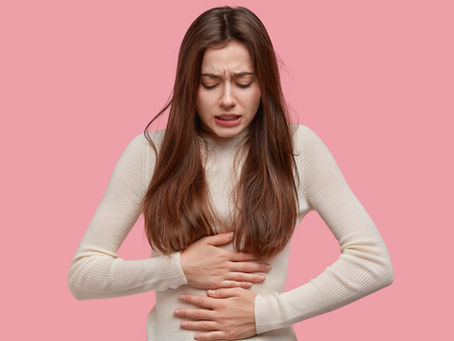
Every month, millions of women around the world curl up in pain, clutching their stomachs, wondering if there's any real relief from the relentless ache of menstrual cramps. If you're one of them, you're not alone. Studies show that up to 90% of menstruating women experience dysmenorrhea (the medical term for period cramps) at some point.
The good news? You don't have to suffer in silence. From quick fixes that work in minutes to lifestyle changes that can transform your periods forever, this guide covers everything you need to know about finding relief.
Understanding Menstrual Cramps: Why Do They Happen?
Before we dive into solutions, let's understand what's actually happening in your body.
The Science of Period Pain
During your period, your uterus contracts to shed its lining. These contractions are triggered by hormone-like substances called prostaglandins. The higher your prostaglandin levels, the more intense your cramps.
| Prostaglandin Level | Cramp Intensity | What You Might Feel |
|---|---|---|
| Low | Mild | Slight discomfort, barely noticeable |
| Moderate | Medium | Dull aching, manageable with rest |
| High | Severe | Sharp pain, nausea, difficulty functioning |
Understanding that cramps are caused by real physiological processes, not weakness, is the first step to taking control of your pain."
Types of Menstrual Cramps
- Primary Dysmenorrhea: Common cramps caused by prostaglandins. Usually starts 1-2 days before your period and lasts 2-4 days.
- Secondary Dysmenorrhea: Pain caused by underlying conditions like endometriosis, fibroids, or pelvic inflammatory disease. This type often starts earlier and lasts longer.
Instant Relief: What Works Right Now
When cramps hit hard, you need solutions that work fast. Here are the most effective immediate remedies:
1. Heat Therapy: Your Best Friend
Heat is one of the most effective and fastest-acting remedies for menstrual cramps. It works by:
- Relaxing the contracting uterine muscles
- Increasing blood flow to the area
- Blocking pain signals to the brain
- How to use it:
- Apply a heating pad or hot water bottle to your lower abdomen
- Aim for 15-20 minutes at a time
- Temperature should be warm, not burning (around 104°F/40°C)
Heat therapy has been shown to be as effective as ibuprofen for period pain relief, without any side effects.
2. Strategic Pain Medication
When taken correctly, over-the-counter pain relievers can be highly effective:
| Medication | How It Works | Best Timing |
|---|---|---|
| Ibuprofen | Blocks prostaglandin production | Start 1-2 days before period |
| Naproxen | Long-lasting prostaglandin blocker | Every 8-12 hours |
| Acetaminophen | Blocks pain signals | When NSAIDs aren't an option |
- Pro tip: Start taking pain medication *before* the pain becomes severe. It's easier to prevent pain than to stop it once it's intense.
3. The Right Positions
Sometimes, how you position your body can make a significant difference:
- Fetal position: Lying on your side with knees tucked reduces pressure on abdominal muscles
- Child's pose: This yoga position gently stretches the lower back
- Knee-to-chest: Lying on your back and hugging knees to chest relieves pelvic tension
Natural Remedies That Actually Work
For those who prefer natural approaches, science supports several effective options:
4. Ginger: Nature's Anti-Inflammatory
Ginger has been used for centuries to treat pain, and research confirms its effectiveness for menstrual cramps.
- How it works: Ginger inhibits prostaglandin synthesis, similar to how ibuprofen works, but naturally.
- How to use it:
- Drink 2-3 cups of ginger tea daily during your period
- Take 250mg ginger supplements 4 times daily
- Add fresh ginger to smoothies or meals
5. Magnesium: The Muscle Relaxer
This essential mineral is crucial for muscle function and can significantly reduce cramp severity.
- Best sources:
- Dark chocolate (yes, really!)
- Spinach and leafy greens
- Almonds and cashews
- Avocados
- Bananas
- Supplement dosage: 250-400mg daily, starting a few days before your period.
6. Omega-3 Fatty Acids
These healthy fats have powerful anti-inflammatory properties that can reduce prostaglandin production.
- Best sources:
- Fatty fish (salmon, mackerel, sardines)
- Walnuts
- Flaxseeds
- Chia seeds
7. Herbal Teas for Comfort
Certain herbal teas offer both comfort and therapeutic benefits:
| Tea | Benefits | How Often |
|---|---|---|
| Chamomile | Reduces muscle spasms, promotes relaxation | 2-3 cups daily |
| Peppermint | Eases nausea, relaxes muscles | 1-2 cups daily |
| Raspberry Leaf | Tones uterine muscles | Start 1 week before period |
| Cinnamon | Reduces pain and heavy bleeding | 1-2 cups daily |
Movement and Exercise: Finding the Balance
It might seem counterintuitive, but gentle movement can be one of the best things for cramps.
8. Yoga for Period Pain
Specific yoga poses target the areas most affected by menstrual cramps:
- Cat-Cow Pose: Gently massages the spine and abdominal organs
- Butterfly Pose: Opens the hips and relieves pelvic tension
- Supine Twist: Stretches the lower back and releases tension
- Legs Up the Wall: Improves circulation and reduces bloating
9. Walking: Simple but Effective
A 20-30 minute walk can: - Release endorphins (natural painkillers) - Improve blood circulation - Distract from pain - Boost your mood
Exercise doesn't have to be intense to help with cramps. Even gentle movement tells your body to release feel-good chemicals.
10. Swimming
The buoyancy of water takes pressure off your body while the gentle movement helps relax muscles. Water temperature should be comfortably warm.
Lifestyle Changes for Long-Term Relief
If you're tired of fighting cramps every month, these lifestyle modifications can make a lasting difference:
11. Anti-Inflammatory Diet
What you eat throughout your cycle affects how you feel during your period.
- Foods to embrace:
- Colorful fruits and vegetables
- Whole grains
- Lean proteins
- Healthy fats
- Foods to limit:
- Processed foods
- Excess sugar
- Alcohol
- Excessive caffeine
- High-sodium foods
12. Stress Management
Stress doesn't cause cramps, but it can make them worse by increasing inflammation and muscle tension.
- Effective techniques:
- Deep breathing exercises
- Meditation (even 5 minutes helps)
- Progressive muscle relaxation
- Adequate sleep (7-9 hours)
13. Track Your Symptoms
Understanding your unique pattern is powerful. When you track your symptoms, you can:
- Predict when cramps will hit
- Identify triggers that worsen pain
- Notice what remedies work best for you
- Have better conversations with your doctor
When to Seek Medical Help
While cramps are common, severe pain isn't something you should just "push through."
Red Flags to Watch For
- Cramps that don't improve with over-the-counter medication
- Pain that lasts more than 2-3 days
- Heavy bleeding (soaking through a pad/tampon every hour)
- Severe nausea or vomiting
- Fever during your period
- Pain during intercourse
- Pain between periods
Medical Treatments Available
If home remedies aren't enough, doctors can offer:
| Treatment | How It Helps | Best For |
|---|---|---|
| Hormonal birth control | Reduces prostaglandins | Recurring severe cramps |
| IUD | Thins uterine lining | Heavy, painful periods |
| Prescription NSAIDs | Stronger pain relief | When OTC options fail |
| TENS units | Electrical nerve stimulation | Drug-free pain management |
Creating Your Personal Relief Plan
Everyone's body is different. Here's how to build your own cramp-fighting toolkit:
Week Before Your Period - Start taking magnesium supplements - Increase anti-inflammatory foods - Reduce salt and caffeine - Get extra sleep
When Cramps Begin - Apply heat immediately - Take pain medication early - Stay hydrated - Practice gentle yoga or walking
During Your Period - Listen to your body - Alternate heat and rest - Keep healthy snacks nearby - Track what helps and what doesn't
The Bottom Line
Menstrual cramps are real, valid, and deserve real solutions. Whether you find relief through heat therapy, natural remedies, gentle exercise, or medical treatments, the key is finding what works for *your* body.
Remember: you don't have to suffer silently every month. With the right tools and understanding, you can take control of your period pain and reclaim your comfort.
- Start with one or two methods from this guide, track your results, and build your personalized relief plan. Your future self will thank you.