

You've probably heard the term PCOD thrown around in conversations about women's health. Maybe your doctor mentioned it, or a friend shared her experience with you. Perhaps you've even suspected you might have it yourself. Whatever brought you here, let's talk about what living with PCOD actually looks like—and more importantly, how you can thrive despite it.
What Exactly Is PCOD?
PCOD, or Polycystic Ovarian Disease, is a hormonal condition that affects millions of women worldwide. In fact, studies suggest that 1 in 5 women of reproductive age has PCOD. That's a lot of us navigating this together.
Here's what's happening inside your body: your ovaries produce small, fluid-filled sacs called follicles. In a normal cycle, one of these follicles matures and releases an egg during ovulation. With PCOD, hormonal imbalances can cause multiple immature follicles to form instead, which may not release eggs regularly. These appear as "cysts" on ultrasound, giving the condition its name.
PCOD isn't a disease you 'catch.' It's a hormonal imbalance that can be managed effectively with the right approach.
The Signs Your Body Is Telling You Something
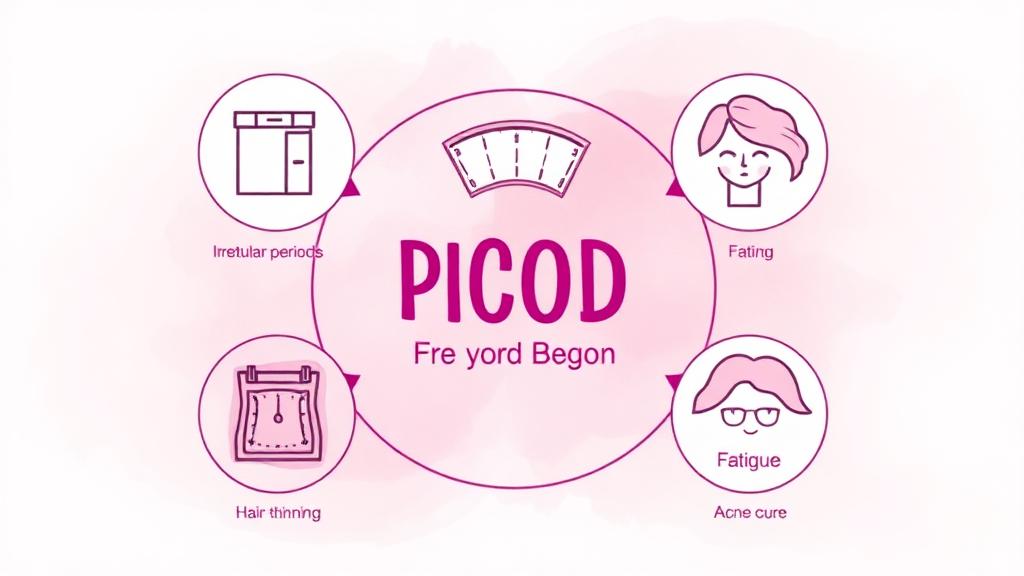
PCOD doesn't always announce itself loudly. Sometimes it whispers through subtle changes you might dismiss as "just stress" or "just my body being weird." Here's what to watch for:
Irregular Periods: The Most Common Red Flag
Your menstrual cycle is like a monthly report card from your body. When PCOD enters the picture, your periods might become unpredictable. Some women experience cycles longer than 35 days. Others might skip periods entirely for months. Some have very heavy bleeding when their period finally arrives.
Changes You Might See in the Mirror
PCOD can affect how you look, and these changes often cause the most distress. You might notice stubborn acne that doesn't respond to typical treatments, especially along the jawline and chin. Hair might thin on your head while appearing in unwanted places—your face, chest, or back. Some women notice their skin darkening in creases like the neck, armpits, or under the breasts.
The Weight Struggle
Many women with PCOD find weight management frustrating. You might gain weight easily, especially around the midsection, and find it incredibly hard to lose. This isn't about willpower or eating too much—it's often linked to insulin resistance, which we'll talk about shortly.
The Exhaustion Factor
Fatigue with PCOD is real. You might feel tired even after sleeping well, struggle to get through the day without caffeine, or feel like you're running on empty. This can be connected to hormonal imbalances, blood sugar fluctuations, and disrupted sleep.
Why Does PCOD Happen?
Let's get one thing straight: PCOD is not your fault. You didn't cause it by eating the wrong foods, not exercising enough, or any other lifestyle choice. Here's what science tells us about the causes:
The Hormonal Imbalance
At its core, PCOD involves an imbalance in reproductive hormones. Your ovaries might produce too many androgens (often called "male hormones," though all women have them). This excess can prevent normal ovulation and cause many of the symptoms we discussed.
Insulin Resistance: The Hidden Player
Here's something that surprises many women: up to 70% of women with PCOD have insulin resistance. Insulin is the hormone that helps your cells use sugar from food for energy. When your cells resist insulin, your body produces more of it to compensate. This excess insulin can trigger your ovaries to produce more androgens, creating a cycle that worsens PCOD symptoms.
Your Genes Play a Role
PCOD often runs in families. If your mother, sister, or aunt has it, your risk is higher. This genetic link helps explain why some women develop PCOD despite healthy lifestyles.
Inflammation Connection
Research shows that women with PCOD often have low-grade inflammation in their bodies. This inflammation may stimulate the ovaries to produce more androgens and contribute to insulin resistance.
Living Your Best Life With PCOD
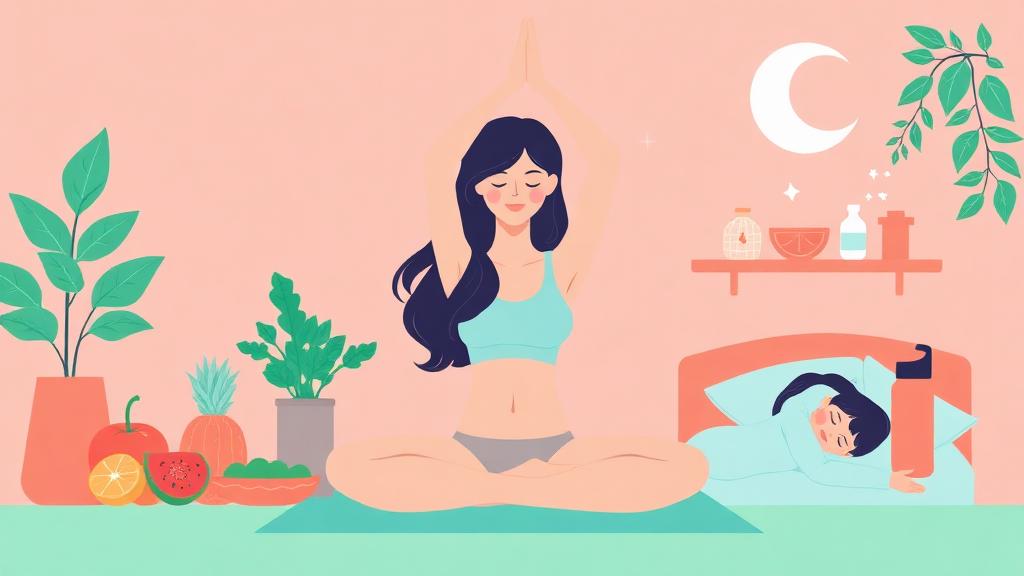
Now for the empowering part: PCOD doesn't have to control your life. Many women manage their symptoms so effectively that they experience complete resolution. Here's how:
Transform Your Plate
Food is medicine, especially with PCOD. But this isn't about restrictive dieting—it's about nourishing your body strategically.
- Embrace These Foods:
- Leafy greens like spinach and kale
- Fatty fish rich in omega-3s
- Berries and citrus fruits
- Legumes and lentils
- Nuts and seeds
- Whole grains like quinoa and brown rice
- Limit These:
- Sugary drinks and desserts
- Refined carbohydrates (white bread, pasta)
- Processed and fried foods
- Excessive dairy (for some women)
The goal is to keep blood sugar stable and reduce inflammation. Think of each meal as an opportunity to support your hormones.
Move Your Body—But Smartly
Exercise is powerful medicine for PCOD, but you don't need to become a marathon runner. In fact, some research suggests that moderate exercise works better than intense workouts for managing symptoms.
| Exercise Type | Benefits for PCOD | Recommended Frequency |
|---|---|---|
| Walking | Improves insulin sensitivity, low stress on body | 30 min daily |
| Yoga | Reduces cortisol, improves hormone balance | 3-4 times weekly |
| Strength Training | Builds muscle, boosts metabolism | 2-3 times weekly |
| Swimming | Full-body workout, gentle on joints | 2-3 times weekly |
The key is consistency over intensity. Find movement you enjoy and can sustain.
Prioritize Sleep Like Your Health Depends on It
Because it does. Poor sleep worsens insulin resistance, increases stress hormones, and makes every PCOD symptom harder to manage. Aim for 7-9 hours of quality sleep by keeping a consistent sleep schedule, creating a cool and dark bedroom, avoiding screens an hour before bed, and limiting caffeine after noon.
Stress Less (Easier Said Than Done, We Know)
Chronic stress pumps cortisol into your system, which can worsen insulin resistance and hormonal imbalances. Finding ways to manage stress isn't optional—it's essential. Consider meditation or deep breathing exercises, journaling to process emotions, spending time in nature, connecting with supportive friends and family, or saying no to commitments that drain you.
When to Seek Medical Help
While lifestyle changes are powerful, sometimes you need professional support. Consider seeing a doctor if your periods are consistently irregular, you've been trying to conceive for over a year without success, your symptoms significantly affect your quality of life, you're experiencing signs of depression or anxiety, or you notice rapid symptom changes.
Medical Treatment Options
Your doctor might recommend medications to regulate periods, treatments to manage specific symptoms like acne or excess hair, metformin to improve insulin sensitivity, or fertility treatments if you're trying to conceive. There's no one-size-fits-all approach. Work with your healthcare provider to find what works for your body.
The Mental Health Connection
Let's talk about something that doesn't get enough attention: living with PCOD can be emotionally exhausting. The visible symptoms can affect self-esteem. The fertility concerns can cause anxiety. The chronic nature of the condition can lead to frustration and even depression.
If you're struggling emotionally, please know that these feelings are valid. You're not being dramatic or weak. Consider speaking to a therapist who understands chronic health conditions. Join support groups (online or in-person) with other women who get it. Practice self-compassion—you're doing the best you can.
Your PCOD Journey Starts Today
Living with PCOD is a journey, not a destination. Some days will be harder than others. Some symptoms will improve while others persist. But here's what matters: you have more power over this condition than you might realize.
Every healthy meal is a step forward. Every walk around the block matters. Every night of good sleep helps. Every moment of stress relief counts.
Start small. Choose one thing from this article to implement this week. Maybe it's adding more vegetables to your meals, or starting a 10-minute walking habit, or finally prioritizing sleep. Build from there.
- You're not alone in this. Millions of women are navigating PCOD right alongside you, discovering what works for their bodies, celebrating small victories, and supporting each other along the way.
Your body is remarkably adaptable. Give it the support it needs, and it will thank you.