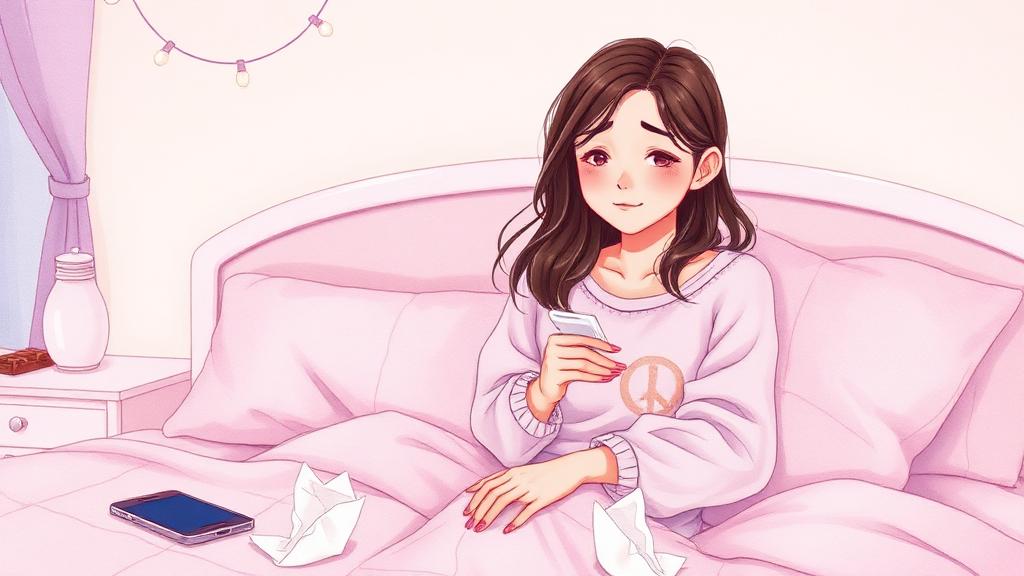
You know the feeling. One day you are perfectly fine, handling life like a champion. The next day, a slightly sad song makes you cry, you snap at someone for no real reason, and all you want is a giant bowl of pasta with extra cheese. Welcome to PMS.
But here is the thing: you are not being dramatic. You are not "too emotional." What you are experiencing has a very real biological explanation. Let us dive into why your brain and body seem to go haywire in the days before your period.
The Hormonal Rollercoaster Explained
Your menstrual cycle is orchestrated by hormones, and in the week or two before your period, those hormones take a dramatic dive. This is not just about your reproductive system. These hormones talk directly to your brain.
The Estrogen and Progesterone Drop
After ovulation (around day 14 of your cycle), both estrogen and progesterone start to rise. But if pregnancy does not happen, they both plummet in the days before your period. This drop is what triggers most PMS symptoms.
| Hormone | What It Does | What Happens When It Drops |
|---|---|---|
| Estrogen | Boosts serotonin, supports mood | Sadness, anxiety, irritability |
| Progesterone | Calming, promotes sleep | Anxiety, restlessness, insomnia |
Your Brain Chemistry Shifts
Here is where it gets interesting. Estrogen and progesterone do not just affect your uterus. They directly influence neurotransmitters, the chemical messengers in your brain.
- Serotonin: Often called the "happy hormone," serotonin helps regulate mood, appetite, and sleep. When estrogen drops, serotonin production decreases. Low serotonin is linked to depression, anxiety, and cravings.
- GABA: This neurotransmitter has a calming effect on your brain. Progesterone enhances GABA activity. When progesterone drops, you lose some of that natural calm, leading to anxiety and irritability.
- Dopamine: The "reward" chemical that makes you feel pleasure. Hormonal fluctuations can affect dopamine pathways, contributing to mood swings and decreased motivation.
Your PMS emotions are not a character flaw. They are a direct result of brain chemistry changes that you have little control over.
Why You Cry Over Everything
Let us talk about those unexpected tears. You are watching a commercial about puppies. Suddenly, you are sobbing. Your partner asks what is wrong. You have no idea.
Your Emotional Brain Gets Louder
Research shows that during the premenstrual phase, the amygdala (your brain's emotional center) becomes more reactive. At the same time, the prefrontal cortex (your rational thinking center) has less control over emotional responses.
In simple terms: emotions hit harder, and your ability to rationalize them decreases. It is not weakness. It is neurobiology.
Lower Serotonin, Higher Sensitivity
With serotonin levels dropping, your brain is more vulnerable to emotional triggers. Things that would normally roll off your back suddenly feel overwhelming. You are not overreacting. Your brain is literally processing emotions with fewer mood-stabilizing resources.
The Science Behind Your Cravings
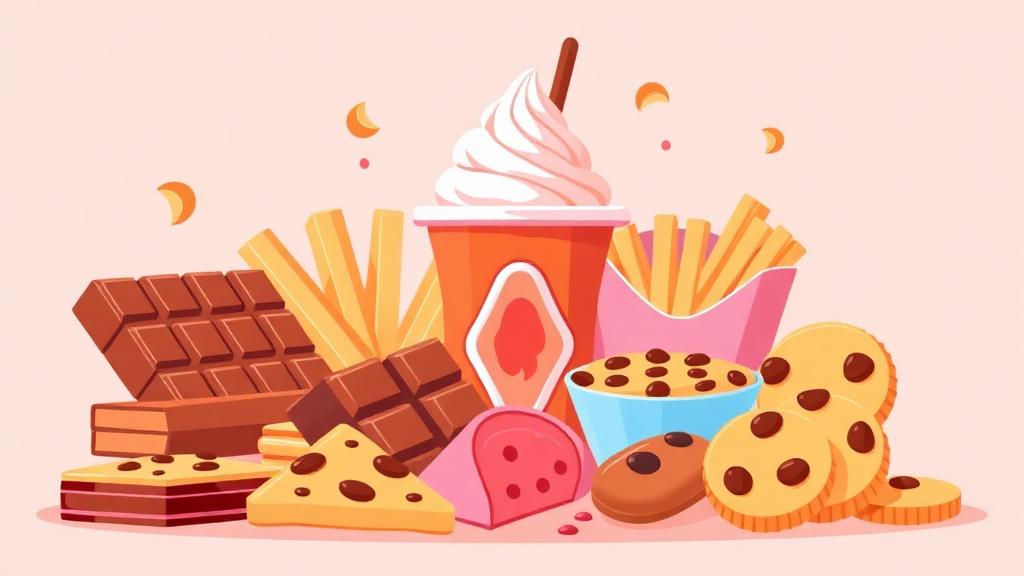
Now let us address the elephant in the room. Or rather, the chocolate bar. And the chips. And maybe some ice cream too.
Why Carbs and Chocolate Call Your Name
When serotonin drops, your brain looks for ways to boost it back up. And guess what helps? Carbohydrates. Eating carbs triggers insulin release, which helps amino acids enter the brain and eventually leads to more serotonin production.
- Chocolate specifically contains compounds that can trigger endorphin release and even has small amounts of mood-enhancing substances. Your body is literally self-medicating with food.
The Blood Sugar Connection
Hormonal fluctuations can also affect how your body regulates blood sugar. You might experience more dips and spikes, which can intensify cravings and make you feel shaky or irritable when you need food.
You Are Not "Bad" for Having Cravings
Here is the important part: cravings during PMS are a physiological response, not a lack of willpower. Understanding this can help you stop the guilt spiral and approach your cravings with curiosity rather than shame.
Why Everything Makes You Angry
The irritability that comes with PMS is real, and it has nothing to do with being a difficult person.
Your Stress Response Is Heightened
During the premenstrual phase, your body's stress response system (the HPA axis) can become more reactive. This means things that would normally feel manageable suddenly feel overwhelming. Small annoyances become major frustrations.
Less Patience, More Triggers
With lower serotonin and GABA activity, your brain has fewer resources to stay calm and regulated. The things that normally do not bother you suddenly feel intolerable. Traffic, a messy kitchen, an insensitive comment: all of these hit differently during PMS.
It Is Not About Controlling Your Emotions
The goal is not to suppress or control these feelings. The goal is to understand them, prepare for them, and give yourself grace when they happen.
What Actually Helps
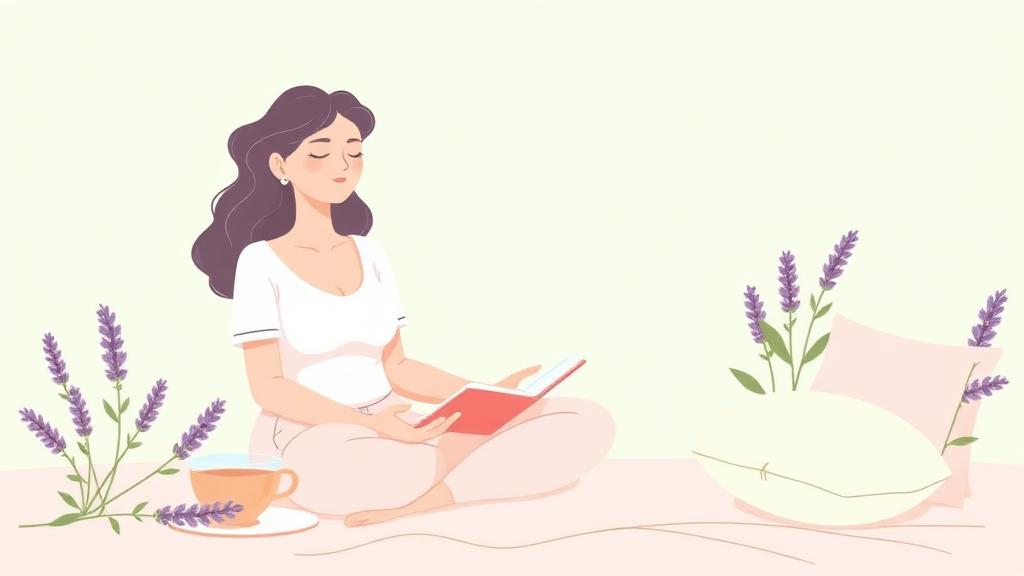
Now for the part you have been waiting for. What can you actually do to feel more like yourself during this phase?
Move Your Body
Exercise is one of the most effective natural mood boosters. It increases endorphins, helps regulate blood sugar, and can improve sleep. You do not need intense workouts. Even a 20 minute walk can make a difference.
Prioritize Sleep
Sleep deprivation makes every PMS symptom worse. During the premenstrual phase, try to get 7 to 9 hours of quality sleep. Create a calming bedtime routine and avoid screens before bed.
Eat Strategically
Instead of fighting cravings, work with them. Choose complex carbohydrates like whole grains, sweet potatoes, and oats that boost serotonin without the blood sugar crash. Include protein and healthy fats to stabilize blood sugar.
- Foods that may help:
- Fatty fish (omega-3s reduce inflammation)
- Leafy greens (magnesium for calm)
- Bananas (vitamin B6 for mood)
- Dark chocolate (in moderation, for those mood-boosting compounds)
Consider Supplements
Some supplements have evidence supporting their use for PMS. Calcium (1,000 to 1,200 mg daily) has been shown to reduce PMS symptoms in studies. Magnesium can help with bloating, mood, and sleep. Vitamin B6 supports serotonin production. Always check with a healthcare provider before starting supplements.
Track Your Cycle
Knowledge is power. When you know your PMS is coming, you can prepare. Schedule lighter workloads if possible, plan self-care activities, and give yourself permission to say no to extra commitments.
When It Is More Than PMS
For most women, PMS is uncomfortable but manageable. But for 3 to 8 percent of women, the emotional symptoms are severe enough to significantly disrupt life. This is called Premenstrual Dysphoric Disorder (PMDD).
Signs of PMDD
- Severe depression or hopelessness before your period
- Extreme anxiety or panic attacks
- Intense anger or conflict with others
- Feeling completely overwhelmed or out of control
- Significant interference with work, school, or relationships
- Symptoms that go away once your period starts
If this sounds like you, please reach out to a healthcare provider. PMDD is a recognized medical condition with effective treatments including SSRIs, hormonal therapies, and lifestyle interventions.
Your Emotions Are Valid
Here is the most important takeaway: your PMS emotions are real, valid, and have a biological basis. You are not "crazy" or "too sensitive." Your brain is genuinely experiencing chemical changes that affect how you think, feel, and respond to the world.
Understanding this can be incredibly freeing. Instead of fighting yourself or feeling ashamed, you can approach PMS with compassion and practical strategies.
Track your symptoms. Notice your patterns. Prepare for challenging days. And remember: this phase passes. You will feel like yourself again soon.