We need to have an honest conversation about period pain. For too long, women have been told to "just deal with it" or that cramps are "normal." But here is the truth: while some discomfort during menstruation is common, the level of pain many women experience is anything but trivial.
If you have ever curled up in bed wondering why your body seems to be at war with itself, you are not alone. Let us explore exactly what is happening inside your body and why some women suffer more than others.
The Science Behind Your Pain
To understand why period pain varies so dramatically between women, we need to talk about a group of hormone-like substances called prostaglandins. These are the key players in your monthly discomfort.
What Are Prostaglandins?
Think of prostaglandins as tiny messengers that tell your uterus it is time to contract and shed its lining. They are essential for menstruation to happen. The problem? Some women produce far more prostaglandins than others.
| Prostaglandin Level | What Happens | Pain Experience |
|---|---|---|
| Low | Gentle contractions | Mild or no cramping |
| Moderate | Regular contractions | Noticeable but manageable pain |
| High | Intense contractions | Severe, debilitating cramps |
| Very High | Aggressive contractions + inflammation | Extreme pain with nausea and vomiting |
The Contraction Connection
When prostaglandins trigger your uterus to contract, they are essentially squeezing the muscle to push out the uterine lining. During these contractions, blood flow to the uterus temporarily decreases. Less blood flow means less oxygen. And when any muscle is deprived of oxygen? It hurts.
The pain from severe menstrual cramps has been compared to the pain of a heart attack. This is not an exaggeration. It is science.
Why Your Pain Might Be Worse Than Others
You are not imagining it. Your cramps really might be more intense than your sister's or your best friend's. Here is why:
Your Body Produces More Prostaglandins
Research shows that women with severe period pain have significantly higher levels of prostaglandins in their menstrual fluid. More prostaglandins equal stronger contractions and more inflammation. It is a biological difference, not a pain tolerance issue.
Your Uterus Position Matters
Not all uteruses are positioned the same way. Some women have a retroverted uterus (tilted backward) or other variations that can contribute to more painful periods. The angle can affect how easily menstrual blood flows out and how intensely you feel contractions.
Inflammation Amplifies Everything
Prostaglandins do not just cause contractions. They also trigger inflammation in your uterine tissue. This inflammation sensitizes nerve endings, making every contraction feel even more intense. It is like turning up the volume on an already loud speaker.
Your Nervous System Response
Pain is processed by your brain and nervous system. Some women's nervous systems are more sensitized to pain signals from the pelvic region. This does not mean the pain is "in your head." It means your body's alarm system is particularly responsive.
Hidden Conditions That Cause Severe Pain
Sometimes, extreme period pain is a sign that something else is going on. If your cramps are truly debilitating, consider whether one of these conditions might be involved:
Endometriosis
This condition occurs when tissue similar to the uterine lining grows outside the uterus. It affects 1 in 10 women and causes intense pain because this tissue responds to hormonal changes just like your uterine lining, but it has nowhere to go.
- Signs to watch for: Pain that starts before your period and continues after, pain during intercourse, pain with bowel movements, and heavy bleeding.
Adenomyosis
Similar to endometriosis, but the tissue grows into the muscular wall of the uterus itself. This causes the uterus to enlarge and leads to heavy, painful periods.
- Signs to watch for: Heavy bleeding with large clots, severe cramping throughout your period, and a bloated or enlarged lower abdomen.
Uterine Fibroids
These non-cancerous growths in or on the uterus can cause significant pain and heavy bleeding, depending on their size and location.
- Signs to watch for: Periods lasting more than a week, pelvic pressure, frequent urination, and difficulty emptying your bladder.
Pelvic Inflammatory Disease (PID)
An infection of the reproductive organs, often caused by sexually transmitted bacteria, can cause chronic pelvic pain and painful periods.
- Signs to watch for: Pain during intercourse, unusual discharge, fever, and pain when urinating.
What You Can Actually Do About It
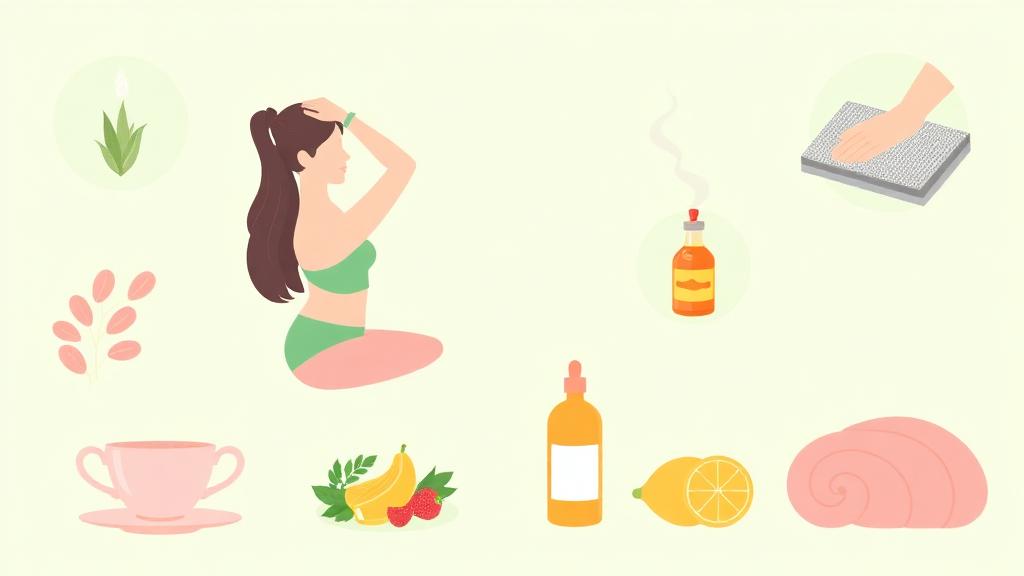
Now for the empowering part. You do not have to suffer in silence. Here are evidence-based strategies that actually work:
Heat Therapy: Your Best Friend
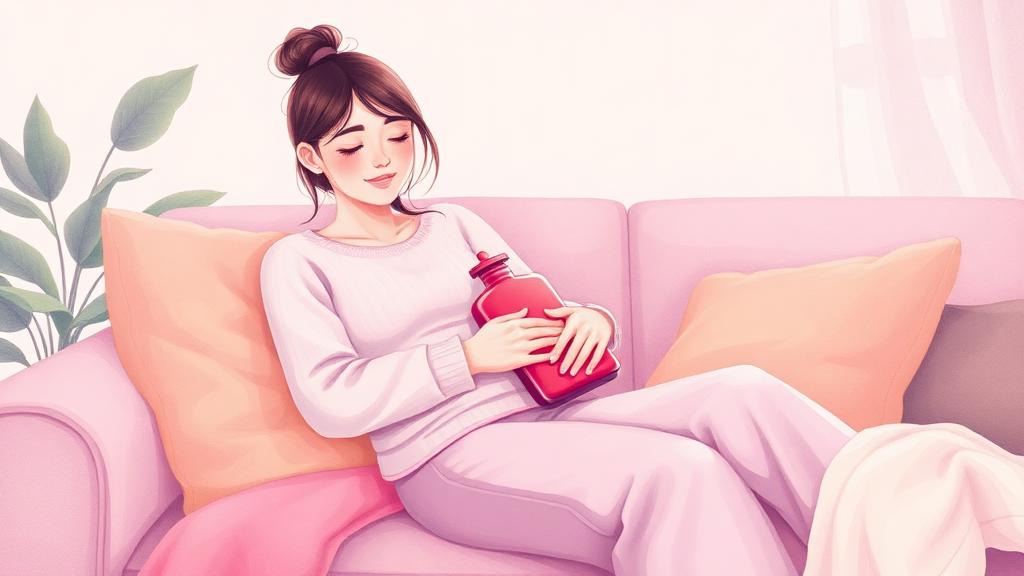
Applying heat to your lower abdomen is one of the most effective pain relief methods. Studies show it works as well as ibuprofen for many women. Heat relaxes the contracting muscles and increases blood flow.
- How to use it: Apply a heating pad or hot water bottle for 15 to 20 minutes. Aim for around 40 degrees Celsius (104 degrees Fahrenheit). You can also try heat patches that stick to your clothing for continuous relief.
Strategic Pain Relief
Over the counter pain relievers work best when you take them before the pain peaks. NSAIDs like ibuprofen actually reduce prostaglandin production, attacking the problem at its source.
- Pro tip: Start taking pain relief at the first sign of your period or even a day before if you know it is coming. Waiting until pain is severe means playing catch-up.
Movement (Yes, Really)
Exercise is probably the last thing you want to do when you are in pain. But gentle movement can genuinely help. It releases endorphins (natural painkillers), improves blood flow, and can reduce the intensity of cramps.
- What works best: Gentle yoga, walking, swimming, or stretching. Save the intense workouts for another day.
Anti-Inflammatory Foods
What you eat matters. An anti-inflammatory diet can help reduce prostaglandin production and ease cramping over time.
- Foods to embrace: Fatty fish like salmon and sardines, leafy greens, berries, turmeric and ginger, nuts and seeds, and olive oil.
- Foods to limit during your period: Processed foods, excessive caffeine, alcohol, and high-sodium snacks.
Supplements Worth Considering
Some supplements have evidence supporting their use for period pain. Consider omega-3 fatty acids, which reduce inflammation. Magnesium helps relax muscles and can reduce cramping. Vitamin B1 (thiamine) has shown benefits in clinical trials. Vitamin E may help reduce prostaglandin production.
Always consult with a healthcare provider before starting new supplements.
When to See a Doctor
Your pain deserves to be taken seriously. Seek medical help if your cramps prevent you from going to work or school, if pain medication does not provide relief, if your pain has gotten progressively worse over time, if you experience heavy bleeding with large clots, or if you have pain outside of your period.
A good doctor will listen to your concerns and investigate potential underlying causes. Do not let anyone dismiss your pain.
Your Pain Is Valid
Here is what we want you to remember: severe period pain is not normal, and you do not have to accept it. While some cramping is a natural part of menstruation, pain that disrupts your life deserves attention and treatment.
Your body is not betraying you. It is sending signals that something needs addressing, whether that is lifestyle changes, medical treatment, or simply better pain management strategies.
Start tracking your symptoms today. Note when pain occurs, how intense it is, and what helps or makes it worse. This information is invaluable when talking to healthcare providers and understanding your own patterns.
You deserve to live your life fully, every day of the month.